Mistake management: how to own it, fix it, and keep trust
Mistake management is about quick clarity, precise fixes, and keeping trust after the fact.
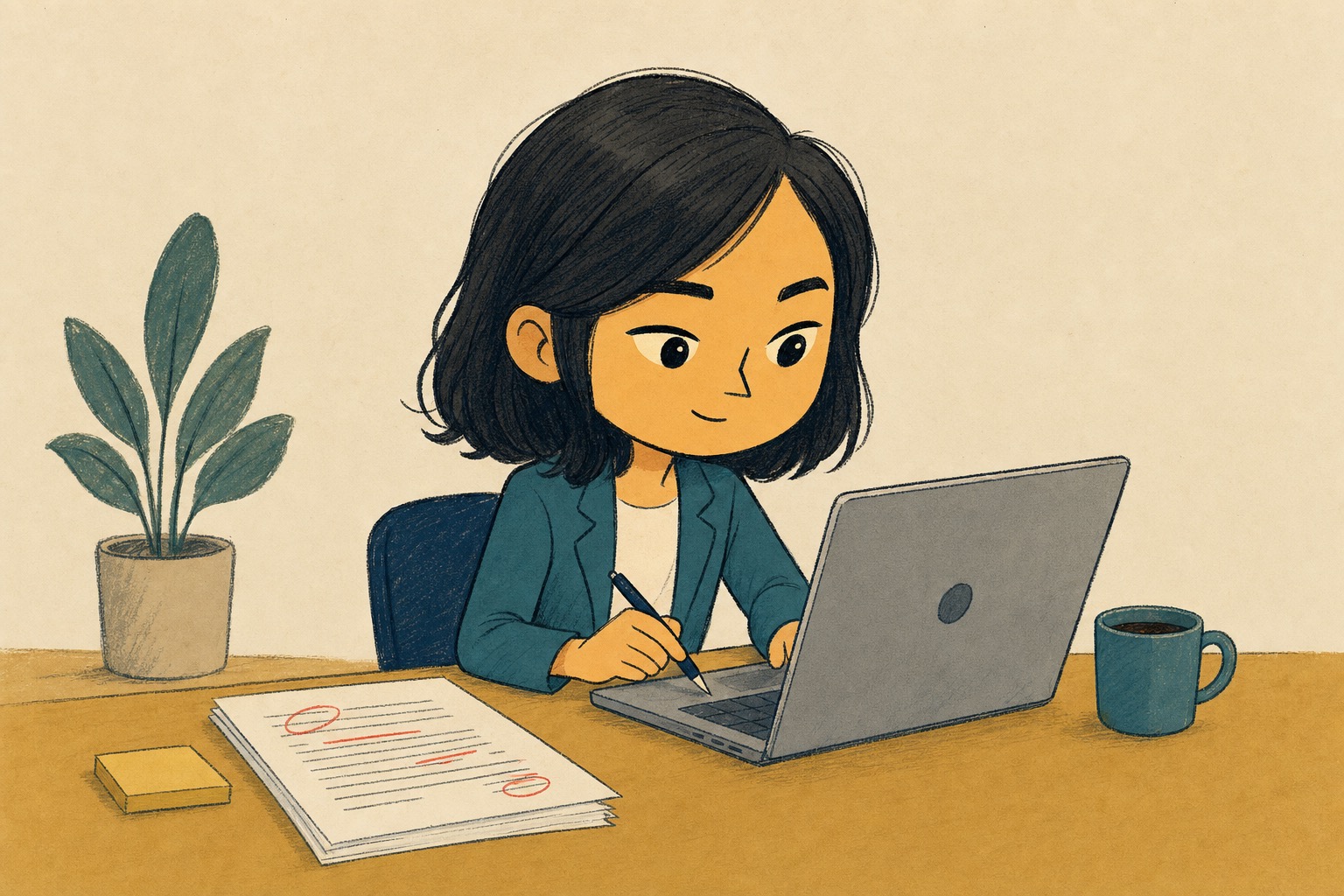
Mistake management is what happens after you realize you sent the wrong dashboard version to finance. It is how you explain the error, patch the fix, and make sure people still trust you to keep their stack intact. The process is boring, repetitive, and yes, it is how to handle mistakes at work.
The person across the table, your manager, the ops leader, the person whose deadline you just moved, is not trying to catch you. They are trying to keep the project from shuddering into the next department. Their actual goal is to understand impact, figure out containment, and make sure the same slip-up does not wreck the next release.
Good looks like a calm check-in thirty minutes after a mistake hits: you have already documented the impact, you have a trusted fix lined up, and the conversation is focused on what else you need to clear. They nod, ask one clarifying question, and you agree on the follow-up note that will go to the rest of the team. Everyone leaves believing the work can keep going.
Bad looks like silence. You wait for a status update meeting, hope it blows over, and then an entirely different team finds the problem and escalates it. Now the room is full of people who do not know you, the problem feels personal, and every metric in the chart looks like a smoking crater.
Contain the panic
Mistakes are not about blame. They are about clearing the floor so the next person can walk across it without slipping. The first thing to do is own the event before it becomes a surprise.
A surprise is what makes leadership think you are hiding something; a mistake is something you can fix. Your manager wants context: what exactly went wrong, how many users were impacted, what is the fix you can ship in the next sprint. You need the timeline in 15 minutes, not 15 hours.
You will wish you had the data while your brain is still fresh. At Stylitics I learned to write the schedule for the fix before I even opened the next Slack message, because waiting for consensus just makes the ticket fester. During my internship at a small analytics firm, I once left a change request in draft for two days because I was waiting for someone else to notice; by the time it surfaced, the release train had already departed.
Your manager is in thirteen Slack threads, six open Jira tickets, and a meeting they’re late for. That is the real pressure: they need you to cut through the noise with facts, not add to it.
The “oops, did it again” meeting is the weekly sync that somehow still exists even though everyone knows nothing moves forward unless you leave with clear impact. That meeting should be about trust, not confession. Imagine the postmortem slide deck: it has the same information every time, yet people behave as if we are inventing algorithmic trading while we are actually just re-running the same patch that freezes the cache.
That is the absurdity we punch up at: we create ritual around the mistake while pretending the ritual solves it. I’ve sat through enough of those to know the cringe in admitting how scripted it all feels.
So, how do you cover the basics?
Whenever you make a visible mistake, follow the rule I call “two sentences, two commits, two checkboxes.” It means you start with quick ownership and build from there.
- Two sentences to the person who needs to know now: what happened and what you are doing about it.
- Two commits: one for the hotfix, one for the rollback or temporary guardrail. These commits should have precise descriptions because people will look at them in six months.
- Two checkboxes in your follow-up doc: impact and prevention.
This keeps you honest and prevents the rumor mill from spinning its own version of the story. We all fumble the ball sometimes; the point is to recover without turning it into a team-wide scramble.
The follow-up note template
You will not remember everything. The template below is what you fill out in the first 30 minutes while the incident is still crisp. It makes status easier to communicate and gives you a tangible artifact to share with the team.
Yes, this feels like compliance theater, but do it anyway. The note is your version of a trust deposit slip. The act of writing it down forces you to own the story instead of letting others narrate it.
After the note is written, the rest is about execution. Share the note with the people who needed to know yesterday. Then share it again with the people whose dashboards read the wrong number for an hour.
Let them see that you are not ghosts in the tooling, tweaking numbers behind the scenes. If you avoid eye contact, the room will fill with people suspicious of what else you are not saying.
Sharp turn, honest follow-through
Mistakes are not fatal. Surprises are. Stay ahead of the surprise by showing your work quickly.
When you explain the remedy before they ask, you show that you are the predictable person in the room, even if the situation is not. That shift from reactive to ready keeps the whole cycle from dragging on.
You will still mess up. Not every fix stays in production for six months. But the trust gap closes whenever you stop waiting for the perfect moment and start handing over the situation with clear intent, just like those early days at Stylitics when a simple note turned a dashboard glitch into a non-event.
Filed under: Execution , Career Development

Cubicle To Corner Office
The 317-page playbook for the transition from student to professional.
Related pieces

How to Actually Finish a Project When No One Is Checking on You
A practical routine for keeping your self-led project honest when the calendar has no reviewers.
The Friday shutdown routine that makes Monday behave
How to spend 20 minutes capturing tasks, priorities, and blockers so Monday starts with clarity instead of crisis.
A minimal task system for your first year (no apps required)
Stop hunting for the perfect productivity app and start using a system that actually prevents things from slipping.
Join the conversation
Real readers (and Mike) reply in here. The number next to each comment is its upvote score — sign in with just a display name to add your vote or post a reply. No email or password required.